How to Maintain Veneers Teeth for Long-Lasting Results
Wiki Article
The Full Overview of Veneers: Kinds, Uses, and Their Effect on Your Smile
Veneers offer as a prominent remedy for individuals seeking to improve their dental visual appeals. These custom-crafted coverings can effectively mask flaws such as staining and gaps. With two key types readily available, porcelain and composite resin, each offers distinctive advantages and restrictions. The influence of veneers expands past plain appearance, influencing self-worth and social communications. Recognizing their benefits and types is crucial. What might this suggest for one's overall quality of life?Understanding Veneers: What They Are and Just how They Function
Veneers are slim coverings, usually made from porcelain or composite resin, that are custom-crafted to fit over the front surface of teeth. They serve both aesthetic and practical purposes, offering a service for different oral blemishes such as discoloration, spaces, and small misalignments. By sticking to the tooth enamel, veneers develop an all-natural look while boosting the form and shade of the teeth.The procedure usually entails a first consultation, where a dental expert examines the client's requirements and talks about preferred end results - Dental Veneers. Following this, a very little amount of enamel might be gotten rid of to fit the veneer. Perceptions of the teeth are then required to ensure an exact fit. When fabricated, the veneers are adhered safely to the teeth using an unique oral adhesive. This procedure not just enhances the smile's appearance yet additionally assists safeguard the underlying teeth from further damages, making veneers a prominent choice for lots of seeking a smile makeover
Sorts of Veneers: Porcelain vs. Composite Material
The distinction in between porcelain and composite material veneers lies in their product composition and characteristics. Each kind provides differing levels of sturdiness, longevity, and expense, affecting patients' selections based on their specific needs. Recognizing these differences is necessary for making an informed decision regarding oral improvements.Product Differences Clarified
While both porcelain and composite resin veneers serve the exact same cosmetic objective, they differ considerably in product residential or commercial properties, toughness, and visual end results. Porcelain veneers are crafted from a ceramic material that simulates the natural transparency of teeth, giving a lifelike appearance. Their smooth surface is resistant to discoloration, making them an enticing option for those looking for a durable aesthetic. In contrast, composite resin veneers are made from a tooth-colored plastic material, providing adaptability and convenience of application. They might not achieve the same degree of illumination or clarity as porcelain. Additionally, composite veneers can be much more quickly shaped and repaired, making them a more flexible option in certain dental scenarios. Each type offers unique advantages customized to specific choices.Durability and Durability
Longevity and resilience are significant factors when comparing porcelain and composite material veneers. Porcelain veneers are recognized for their stamina, typically long lasting 10 to 15 years with proper treatment. Their strength versus staining and damaging makes them a preferred choice for people looking for long-term outcomes. On the other hand, composite resin veneers generally have a much shorter life-span, averaging 5 to 7 years. While they can be fixed a lot more quickly if damaged, they are extra prone to use and discoloration with time. The option between these products commonly depends upon the individual's way of living, visual objectives, and upkeep preferences. Ultimately, understanding the differences in long life and toughness can direct clients in selecting the veneer type that best suits their demands.Price Comparison Insights
Price is a critical consideration when choosing between porcelain and composite resin veneers. Porcelain veneers commonly range from $800 to $2,500 per tooth, reflecting their toughness, visual allure, and resistance to discoloration. These veneers require an extra considerable treatment and specialized lab work, adding to their higher cost. In contrast, composite material veneers are normally a lot more inexpensive, costing in between $250 and $1,500 per tooth. They can be used in a solitary browse through, which minimizes labor costs. However, composite veneers might require a lot more frequent substitutes, possibly enhancing lasting expenses. Inevitably, the option in between porcelain and composite material veneers depends on individual budget plans and wanted end results, balancing first prices versus longevity and aesthetic results.The Advantages of Finding Veneers for Your Smile
Choosing veneers uses significant advantages for those looking for a boosted smile. Their boosted visual allure can transform the appearance of teeth, while their stain-resistant homes assure a lasting illumination - What Are Veneers. This mix makes veneers a preferred choice for people seeking to achieve a perfect smileBoosted Aesthetic Appeal
When people look for to boost their smiles, veneers typically become a favored remedy as a result of their transformative visual advantages. These slim shells, generally made of porcelain or composite material, can efficiently conceal blemishes such as chips, voids, and misalignment. By imitating the natural appearance of teeth, veneers give a smooth, glowing smile. Their adjustable nature enables for a tailored technique, allowing individuals to choose tones and shapes that best suit their face functions. Additionally, veneers can develop a consistent appearance, enhancing general facial proportion. This visual enhancement not just enhances self-confidence however can also favorably influence social communications and individual relationships, making veneers a popular choice for those aiming to accomplish a brighter, much more appealing smile.Stain Resistance Benefits
Veneers not only enhance aesthetic appeal however likewise use substantial tarnish resistance, making them an attractive option for individuals worried regarding preserving a brilliant smile. Made up of long lasting products such as porcelain or composite material, veneers are much less permeable than natural teeth, which helps prevent the absorption of stains from typical culprits like coffee, tea, and red wine. This intrinsic tarnish resistance allows individuals to enjoy their preferred drinks without fretting about discoloration. What Are Veneers. Furthermore, the smooth surface area of veneers makes them much easier to tidy, more enhancing their longevity and maintaining their beautiful appearance. Therefore, veneers supply a sensible solution for those seeking both beauty and functionality in their dental careThe Process of Getting Veneers: What to Expect

The process of getting veneers may seem challenging, comprehending the steps included can minimize worries. An appointment with a dentist is necessary to determine if veneers are the appropriate service for the individual's dental issues. During this consultation, the dental practitioner will certainly go over wanted results and take impressions of the teeth.
Next off, a 2nd visit is arranged for tooth preparation, where a percentage of enamel is typically removed to accommodate the veneers. Short-lived veneers might be put while the customized ones are crafted in a dental laboratory, which generally takes a number of weeks.
As soon as prepared, the dental professional will certainly position the veneers, making certain appropriate fit and shade before bonding them to the teeth using an unique adhesive. After last modifications, the dental professional will certainly supply assistance on treatment. Comprehending these actions can assist clients feel a lot more comfortable and educated throughout the veneer process.
Upkeep and Take Care Of Your Veneers
Maintaining veneers needs consistent treatment to assure their durability and look. Proper dental hygiene is crucial; brushing two times daily with a non-abrasive toothpaste and flossing on a regular basis help protect against plaque buildup around the veneers. Furthermore, regular dental exams are important for checking the condition of the veneers and dealing with any kind of potential problems beforehand.When attacking to prevent damages, patients ought to prevent tough foods and excessive force. It's likewise suggested to restrict usage of staining substances, such as coffee, tea, and merlot, as these can influence the veneers' shade over time.
Changing Your Smile: Real-Life Influence of Veneers
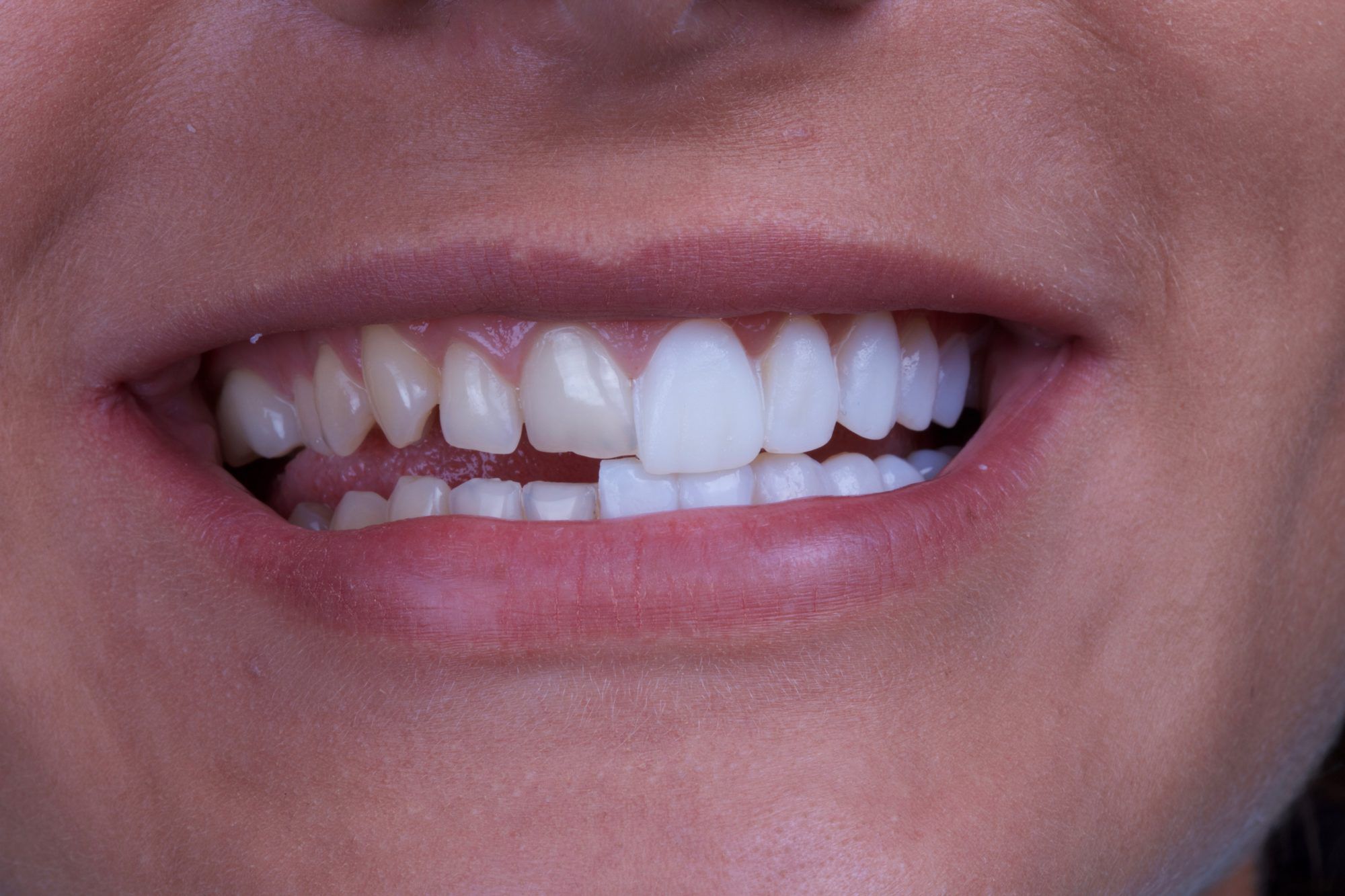
A radiant smile can greatly boost one's confidence and general look. For several individuals, veneers work as a transformative option, effectively attending to numerous dental worries such as discoloration, voids, and misalignment. These slim Porcelain Veneers Dentist shells, customized to fit over the front of the teeth, can create an unified and aesthetically pleasing smile.Real-life instances highlight the profound influence veneers can have. Clients often report an instant increase in self-worth and social interactions following their treatment. The newfound confidence can bring about more opportunities in individual and specialist life, as people really feel even more likely to involve and express themselves.
In addition, the emotional benefits extend beyond simple look; several experience boosted psychological health as they welcome their smiles. Veneers not just improve physical features but also contribute substantially to overall quality of life, highlighting their value in cosmetic dentistry.
Often Asked Questions
The Length Of Time Do Veneers Typically Last Before Needing Replacement?
Veneers generally last between 10 to 15 years before calling for substitute. Elements such as oral hygiene, oral behaviors, and the kind of product utilized can influence their long life and total durability. Normal oral exams are recommended.Can Veneers Be Removed, and if So, How?
Yes, veneers can be eliminated. A dental expert typically utilizes specific tools to thoroughly separate them from the teeth, guaranteeing marginal damage to the underlying enamel, often complied with by necessary modifications or reconstructions for optimal visual appeals.Are Veneers Suitable for Everybody's Oral Problem?
Will Getting Veneers Pain or Require Anesthesia?
Obtaining veneers normally involves very little pain, and lots of patients obtain regional anesthetic to guarantee a pain-free experience. Level of sensitivity may take place briefly later, however the majority of discover the procedure tolerable and are satisfied with the outcomes.How Do Veneers Affect Tooth Sensitivity After Positioning?
Veneers can briefly enhance tooth level of sensitivity because of the removal of enamel and the bonding procedure. Most people experience a decrease in sensitivity over time as the teeth adapt to the new veneers.Veneers are thin coverings, commonly made from porcelain or composite material, that are custom-crafted to fit over the front surface of teeth. Porcelain veneers are crafted from a ceramic product that mimics the natural transparency of teeth, offering a natural appearance. Porcelain veneers commonly range from $800 to $2,500 per tooth, mirroring their durability, aesthetic allure, and resistance to staining. In comparison, composite resin veneers are generally extra economical, setting you back between $250 and $1,500 per tooth. Composed of long lasting materials such as porcelain or composite material, veneers are much less porous than all-natural teeth, which aids stop the absorption of discolorations from typical perpetrators like coffee, tea, and red white wine.
Report this wiki page